In Teleorman, many people have been working for years in jobs that they officially do not “know.” A sales clerk at a neighborhood store, supermarket cashiers, referents in a private company. They all have a job, but nothing to attest on paper that they have a qualification for what they do.
As a response to this problem, the project “Skills Development for Career Excellence,” run by the Amfiteatru Foundation, aims to support over 600 employees from the public and private sectors in Teleorman. The initiative offers participants subsidies and free access to qualification programs, specialization and initiation courses, management modules for leaders, as well as professional counseling services for career development.
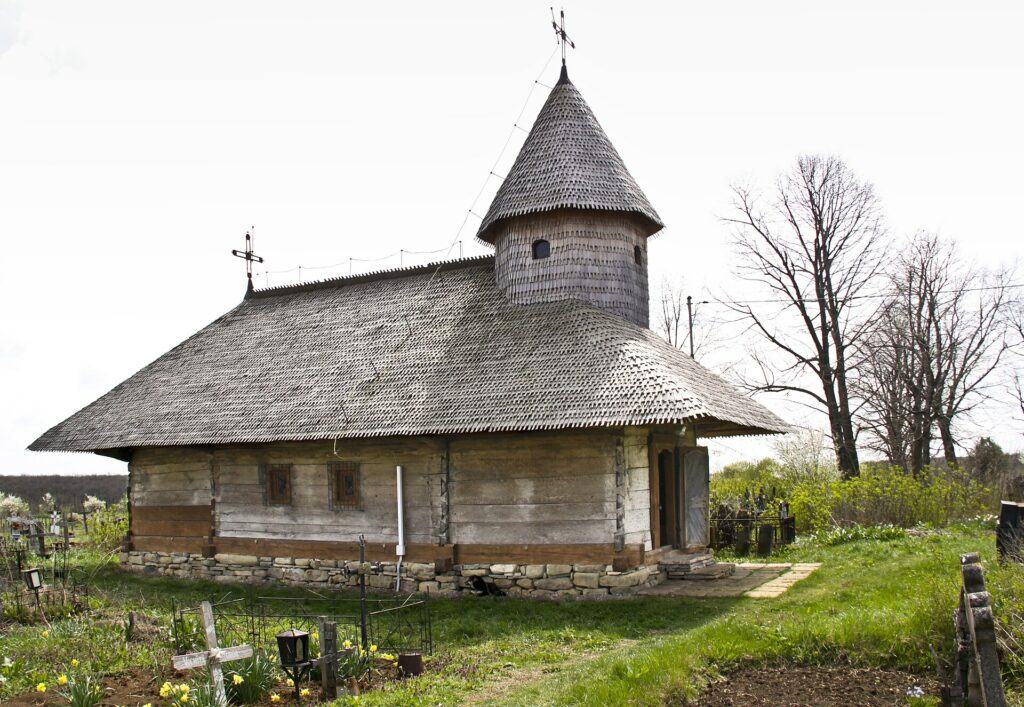
To form a picture closer to reality on the ground, we talked with Mrs. Nuți Stănescu, the person responsible for identifying locals eager to enroll in professional training courses. Regarding the importance of the project in the area, she explains that the lack of diplomas is a direct consequence of the transformations the Romanian educational system went through in recent years. Pointing to the reality of the labor market, she emphasizes that the gradual abolition of vocational schools has left a huge gap, with many adults currently working without any official diploma in the field, such as the numerous commerce employees who appear on paper as sellers, although they have no formal qualification for this job.
People in the labor market also face other challenges, and one of the biggest is technological evolution. Asked about how participants interacted with the digitization courses, Mrs. Nuți Stănescu highlighted that young people were extremely receptive and open to learning, understanding that without minimal digital skills they risk falling behind: “People are aware that this is the evolution. They enroll because they know it is necessary.” Given the accelerated pace of technology, it becomes essential to create training courses open to as wide a spectrum of jobs as possible, so that all employees can keep up with change.
The project also brought commercial worker or human resources referent courses to Teleorman, and the courses are structured in such a way that it is as easy as possible for the target group to interact and learn: “The trainers are chosen, as much as possible, right from the employees’ environment: qualified colleagues, shift supervisors, directors, because the already existing relationship of trust makes the course easier to follow. Working with your boss, with the female director and the shift engineer, it is much easier to ask where you do not understand,” explains Mrs. Nuți Stănescu, adding that, in other regions, she also turned to high school teachers, chosen precisely for their experience in capturing a group’s attention.
The Foundation identified, right from the start, an essential aspect for the participation of locals: the subsidies granted to graduates, 600 lei for the commercial worker course and 900 lei for the human resources referent course. Referring to this topic, Mrs. Nuți Stănescu openly acknowledges that the financial support weighs heavily in people’s decision to enroll, often being the first detail they ask about. But beyond financial support, there is also a real desire for development: “As feedback, people are eager. If they didn’t like it, I wouldn’t receive so many messages anymore. They always ask me when we are coming again.”
Thus, the most profound impact is seen in the security that people gain at their workplace. For many of the participants, obtaining the diploma means the first official confirmation of their years of work and complete legal coverage in front of any control.