Romania possesses a rich natural therapeutic potential, recognized specialists, and exceptional spa resources. However, transforming these foundations into an internationally relevant health destination requires more than the mere existence of resources. This is where the Amfiteatru Foundation steps in, constantly promoting the transition from a quantitative and fragmented approach to qualitative destination management, where medical, spa, wellness, and prevention tourism are integrated into a coherent ecosystem oriented toward quality of life.
Health tourism represents a country’s capacity to bring together medicine, nature, and quality services to earn people’s trust. Over the years, the Amfiteatru Foundation has built the complete infrastructure underlying the most complex network in the field: HOSPITA.
Strategic and institutional milestones
In 2011, the Foundation launched the “Health Tourism” program, bringing the field back onto the authorities’ agenda. Thus, through the joint efforts of the organization and its partners, the subject gained major institutional recognition with the approval by the Romanian Government, in February 2013, of the Memorandum on the Development and Promotion of Health Tourism.
To maintain dialogue among experts, the Foundation initiated the International Health Tourism Forum (IHTF), which has already reached 12 editions. Over the years, the IHTF has become an important professional-scientific landmark, bringing together public authorities, private organizations, specialists, and promoters from home and abroad. The dialogue generated here was matched by sustained academic rigor through the International Journal for Responsible Tourism, a publication indexed in eight international databases, which brought Romania back into the global specialized circuit.
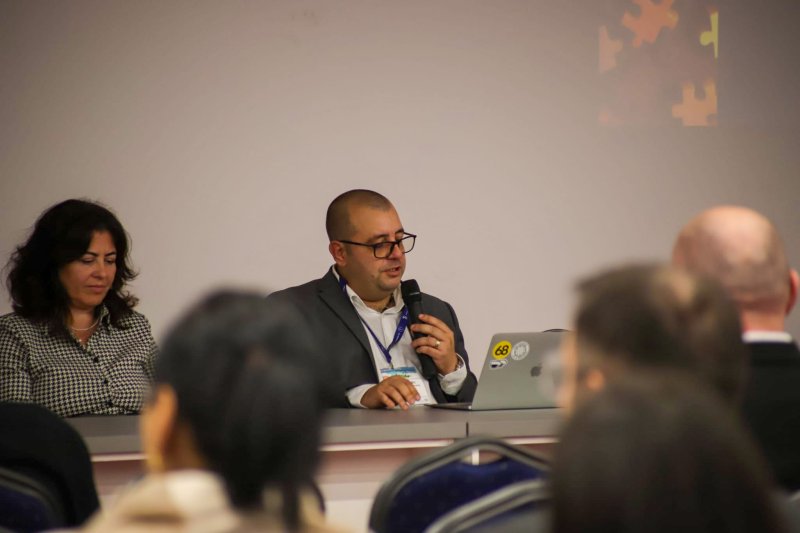
The step toward practice was made by founding the Romania Health Medical Cluster and the Transylvania Regional Balneotherapy Cluster. These networks brought top healthcare units, service providers, academia, and local authorities to the same table, and the strategies created back then are part of the 2021–2027 regional development plans today.
Quality and safety: practical tools assimilated by the system
Through the project “Quality and Performance in the Romanian Public Health System” (2010–2013), the Foundation trained over 1,000 quality management auditors for 150 hospitals and created an IT application for collecting and managing quality indicators. The application proved so useful that it was fully taken over by the National Authority for Quality Management in Health (ANMCS) and is used nationwide.
At the same time, the Foundation directly addressed the issue of nosocomial infections. Bringing together the top specialists, it created the Healthcare-Associated Infections (HAI) Management Guide. Initially published in 2012 and later updated through revised and expanded editions in 2017, the guide directly responds to the Ministry of Health regulations and hospital accreditation standard requirements. This document offers hospital professionals concrete solutions for monitoring, preventing, and limiting this scourge of healthcare.
All these achievements, from public policies and expertise networks to IT tools and clinical guides, constitute the HOSPITA program.
Instead of leaving the patient to cope alone in a fragmented system, HOSPITA connects all services into a clear path, from analysis to prevention and recovery:
- Sănătate România provides support and medical legitimacy;
- Health tourism supplies analyses and development strategies;
- Health Romania connects the Romanian market with international patients and partners.
Through HOSPITA, the Amfiteatru Foundation proves that Romania’s potential can become a functional system, and the skill of doctors can transform into safety for patients.
Photo credit: Alex Iacob